


Table of Contents
- Is It Safe to Buy Toys Online? What You Need to Know
- How to Identify Counterfeit Toys and Avoid Fakes
- The Risks of Third-Party Marketplaces
- Understanding CPSC Toy Safety Standards
- Best Practices for Buying Toys Online Safely
- How to Spot Fake Reviews and Verify Seller Credibility
- What to Do if You Receive an Unsafe or Counterfeit Toy
- Conclusion
- Frequently Asked Questions
Last Updated: October 2, 2026
Is It Safe to Buy Toys Online? What You Need to Know
Buying toys online offers undeniable convenience, but it also introduces real risks that parents need to understand. The question of whether it's safe to buy toys online doesn't have a simple yes-or-no answer, it depends entirely on where you shop and how carefully you vet what you're purchasing.
Third-party marketplaces have made toy shopping faster and cheaper than ever. But they've also created pathways for counterfeit products and unsafe items to reach your home. According to U.S. Consumer Product Safety Commission warnings, counterfeit toys and products that fail basic safety standards continue to circulate through online channels. The risk is real, but it's manageable if you know what to look for.
At Nehemiah Country Store, we understand that parents want both convenience and peace of mind when shopping for their children. The good news: you can absolutely buy toys online safely. You just need to be strategic about where you purchase, how you verify authenticity, and what red flags to watch for. This guide walks you through the exact steps to protect your kids while shopping online.
How to Identify Counterfeit Toys and Avoid Fakes
Counterfeit toys are deliberately manufactured to look like legitimate products but cut corners on safety testing and materials. They're often produced in unregulated facilities with no quality oversight.
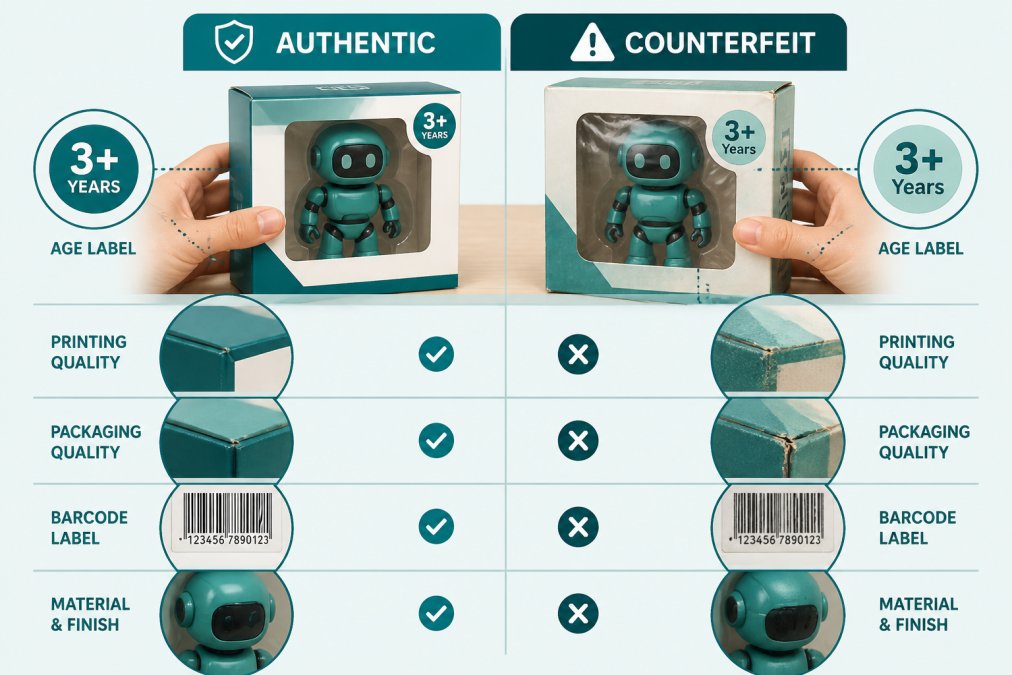
Start by examining the packaging itself. Legitimate toys have crisp, clear printing with consistent colors and no misspellings. Counterfeit packaging often shows fuzzy text, color variations, or grammatical errors on the back.
Look for manufacturer contact information on the box. Every legitimate toy must display the manufacturer's name, address, and phone number.
Inspect the toy itself for quality issues. Run your fingers across seams and joints. Are they smooth and secure, or rough and glued haphazardly?
Feel the weight and material. Counterfeit toys often use lighter, cheaper plastics or metals. If a toy feels noticeably lighter or flimsy compared to what you'd expect, be skeptical.
The Risks of Third-Party Marketplaces
Third-party marketplaces, those platforms where independent sellers list products alongside official retailers, create a fundamental problem: no single authority vets every seller or product.
The core risk is that a third-party marketplace seller may have no direct relationship with the toy manufacturer. They're buying inventory from wholesalers, distributors, or other resellers.
Illegal toys, products that violate safety standards or contain banned materials, also circulate through third-party channels. These might be toys recalled in legitimate markets but still being sold by overseas sellers who ignore the recall.
The financial incentive is clear: selling a counterfeit toy at 60% of the legitimate price still generates profit.
One practical protection: buy directly from official brand retailers or the manufacturer's own website whenever possible. If you must use a third-party marketplace, check the seller's rating carefully and read recent reviews.
Understanding CPSC Toy Safety Standards
The Consumer Product Safety Commission (CPSC) sets mandatory safety standards for all toys sold in the United States.
Key safety standards cover choking hazards, lead content, phthalates (chemicals used in plastics), and magnet strength.
Lead content is strictly regulated. Toys cannot contain lead paint or lead-based coatings. Super-strong magnets that could cause internal injuries if swallowed are banned from toys marketed to young children.
Legitimate manufacturers test their toys against these standards before release. They maintain documentation proving compliance. Counterfeit manufacturers skip this entirely. A counterfeit toy might contain lead paint, toxic plastics, or magnets that pose serious health risks.
When you buy from an authorized retailer or the manufacturer directly, you're getting a product that has been tested and certified to meet these standards.
Check CPSC's product recall database before purchasing any toy. Search by brand name or product type. If a toy has been recalled, you'll see the specific hazard and which production batches are affected. This database is your best tool for avoiding known unsafe products.
Best Practices for Buying Toys Online Safely
The safest approach combines smart shopping habits with careful verification. Start by choosing your retailer first, then find the toy you want.
Buy from official brand websites or authorized retailers. Every major toy manufacturer lists their authorized online retailers on their website.
If you're using a general marketplace, verify the seller before buying.
Check the price. If a toy is significantly cheaper than everywhere else, there's a reason. Counterfeiters undercut legitimate prices to move volume.
Examine product photos closely. Legitimate sellers provide clear, detailed photos from multiple angles. They show packaging, the toy itself, and any included accessories.
Soft Machine Wash Plush Dog Toy →
Read the product description word-for-word. Does it match the official manufacturer's description, or does it have awkward phrasing or grammatical errors?
Request a receipt or proof of purchase that includes the seller's name and contact information.
| Best Practice | What to Check | Red Flag |
|---|---|---|
| Retailer Selection | Official brand website or authorized seller | Unknown marketplace seller with few reviews |
| Pricing | Within 10-30% of other retailers | 50%+ cheaper than market price |
| Product Photos | Clear, detailed, multiple angles | Blurry or obviously stock photos |
| Description | Matches manufacturer's official description | Awkward phrasing or grammatical errors |
| Contact Information | Complete seller name, address, phone | Incomplete or vague contact details |
| Reviews | Detailed recent reviews mentioning authenticity | Generic praise with no specifics |
How to Spot Fake Reviews and Verify Seller Credibility
Fake reviews are rampant on third-party marketplaces. Sellers post glowing reviews to boost their ratings, or they pay review services to generate fake five-star ratings.
Read the actual review text, not just the star rating.
Check the reviewer's history. Does this person review many products, or just this one? Do their other reviews sound authentic?
Look for reviews that specifically address authenticity.
Examine the seller's overall rating and history. How long have they been selling? Do they have thousands of transactions, or just dozens?
Check the seller's return policy. Legitimate sellers accept returns without excessive hassle.
Search the seller's name online outside the marketplace. Do they have a website? Social media presence? Business registration? Legitimate sellers usually have some digital footprint.
What to Do if You Receive an Unsafe or Counterfeit Toy
If you receive a toy that appears counterfeit or unsafe, document everything immediately.
Contact the seller first. Explain that the toy appears counterfeit or unsafe and request a refund or replacement. Many sellers will refund immediately to avoid negative reviews.
File a complaint with the marketplace itself. Most platforms have dispute resolution processes. Explain that you received a counterfeit or unsafe product. Provide your photos and documentation.
Report the product to the CPSC if you believe it's unsafe. Visit CPSC's online complaint system and file a report. Include photos, the product details, the seller information, and a description of why you believe it's unsafe. The CPSC investigates complaints and can issue recalls if necessary.
Contact the actual toy manufacturer. Provide them with photos and details about where you purchased the counterfeit. Manufacturers actively fight counterfeiting and appreciate reports from consumers.
Dispute the charge with your credit card company or payment processor if the seller won't refund you.
Leave an honest review on the marketplace after resolving the issue. Warn other parents about the counterfeit product and the seller's response (or lack thereof).
When shopping at established retailers like Nehemiah Country Store, you avoid many complications. Our commitment to fast shipping and curated product selection means you're getting items that have been vetted for quality and safety. We carry pet toys like the Soft Machine Wash Plush Dog Toy that are safe, durable, and backed by reliable service.


Conclusion
Yes, you can safely buy toys online, but only if you're strategic about where you shop and how you verify what you're buying. The risks are real: counterfeit toys, unsafe products, and unaccountable sellers exist on third-party marketplaces. But these risks are avoidable if you follow the practices outlined here.
Prioritize buying from official brand websites, authorized retailers, and established online stores. Verify authenticity by checking packaging, manufacturer contact information, and product quality. Read reviews carefully and research seller credibility. Check the CPSC database for recalls before purchasing. If something goes wrong, document everything and report it to both the marketplace and the CPSC.
Shopping safely online takes a few extra minutes, but it's worth it for peace of mind. Your children deserve toys that meet rigorous safety standards and are exactly what you paid for.
Frequently Asked Questions
What are the main risks of buying toys from third-party marketplaces?
Third-party marketplaces often lack rigorous vetting of sellers, making it easier for counterfeit and unsafe toys to slip through. Many sellers operate from unregulated sources, and there's minimal oversight of product safety testing or compliance with regulatory standards. You may also face difficulty returning items or getting refunds if a toy proves unsafe or doesn't match its listing. Reputable sellers and official retailers typically maintain stricter quality controls and accountability.
How can I tell if a toy is counterfeit?
Counterfeit toys often have poor packaging quality, misspelled text, blurry or low-resolution images, and inconsistent logos. Check the manufacturer address and importer information on the packaging, counterfeits frequently lack this or provide false details. Compare the toy to images on the official manufacturer's website. Authentic toys have consistent stitching, proper labeling, and clear safety certification marks. If the price seems unusually low compared to other retailers, that's a red flag.
What should I look for to ensure a toy meets CPSC safety standards?
The Consumer Product Safety Commission (CPSC) requires toys to pass rigorous testing for hazards like choking risks, toxic materials, and lead content. Look for safety certification labels on packaging indicating the toy has undergone testing. Check that small parts are appropriate for the child's age, toys for children under 8 should not have parts smaller than a toilet paper tube. Verify the manufacturer provides contact information and that the product has not been subject to a recall by checking the CPSC website.
Is it safer to buy toys from official retailers than online marketplaces?
Official retailers and reputable seller websites typically have stronger accountability and quality control than third-party marketplaces. They verify supplier credentials, conduct product inspections, and stand behind their inventory. When you buy toys online from established retailers, you also get clearer return policies and consumer protection. However, even official online stores require vigilance, check reviews, verify seller ratings, and confirm the retailer is authorized by the manufacturer before purchasing.
Buying toys online doesn't have to mean compromising on safety or quality. At Nehemiah Country Store, we make it easy to find trusted products with fast shipping and competitive pricing. Shop with confidence knowing you're getting genuine items that meet safety standards, browse our collection today and get what your family needs delivered quickly.


